





How it Works
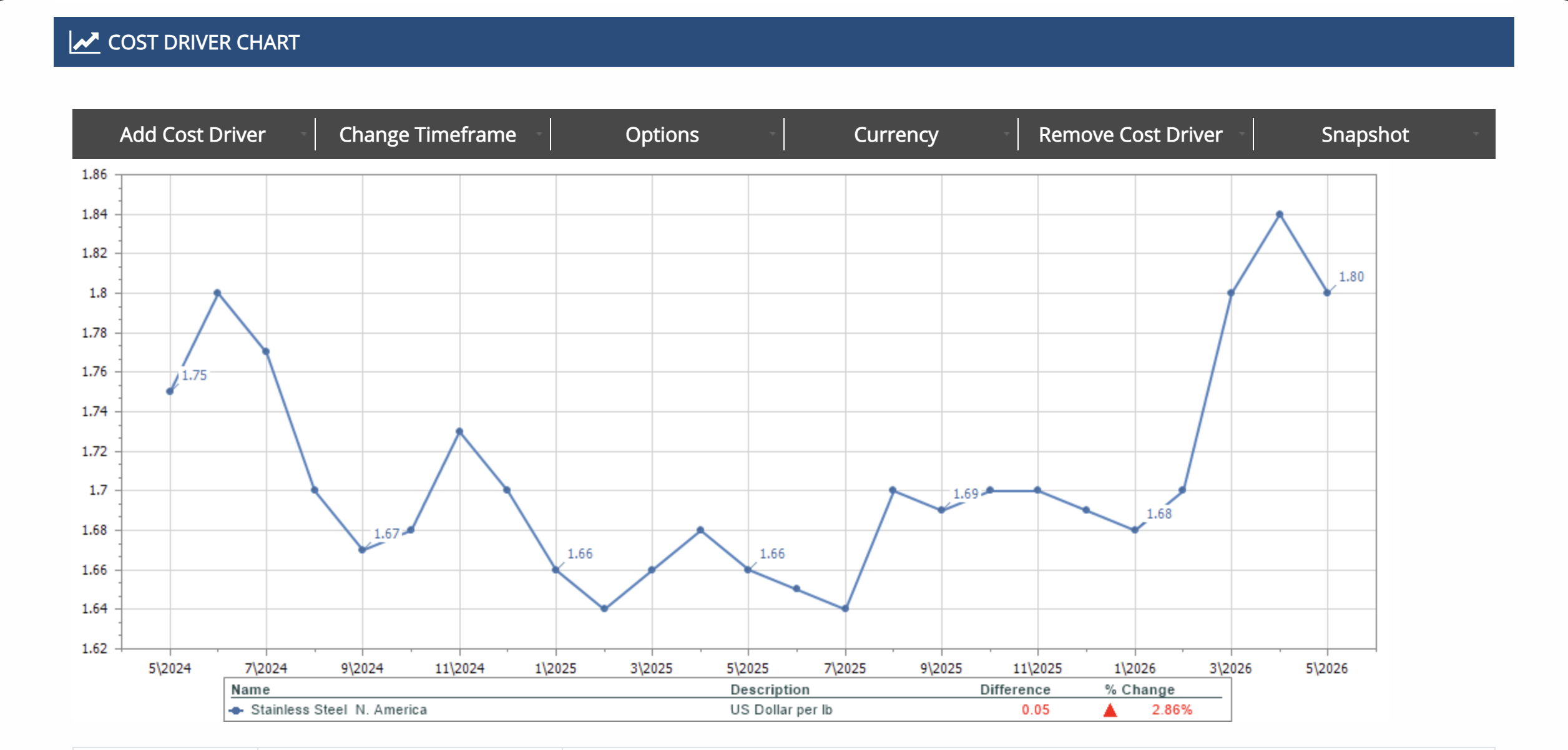
ProPurchaser’s Performance Module benchmarks procurement outcomes against the commodity markets that actually drive your costs—not static internal targets.
1. Map Your Commodity Inputs
Identify the key materials in each purchased category and their proportions. ProPurchaser does the market tracking—you define what’s relevant to your spend.
3. Track Should-Cost vs. Actual
Use ProPurchaser to log should-cost models alongside actual prices paid, so you can see where you’re outperforming and where margin is leaking.
Why Budget-Based Measurement Falls Short
A 300-member study found most procurement teams rely on performance measures that don’t reflect actual negotiating skill.
Budget comparisons can’t distinguish between a buyer who did well by holding prices flat while commodity markets rose, and one who did poorly by securing a too small reduction when markets fell. Market trend measurement can.
Powering Top-Tier Procurement Negotiators since 2001



Frequently Asked Questions
Commodity price swings—for steel, plastics, paper, and hundreds of other materials—drive cost changes that have nothing to do with negotiating skill. Budget comparisons can’t tell the difference between buyers who outperform rising markets and those who underperform falling ones.
ProPurchaser benchmarks procurement acumen and process quality, and allows you to track dollar savings compared to pre-built should-cost models. Only 2% of procurement professionals regularly use should-cost models in negotiations; being in that group is itself a measurable performance indicator.
The Performance Module includes should-cost model-building activity and actual vs. should-cost price comparisons across your supplier base.
Significant – direct materials can account for roughly 40% of a manufacturer’s P&L. Therefore a 5% reduction in material costs can often drive EBITDA up by 20% or more—making accurate performance measurement a direct driver of business outcomes.